
Philosophy
When it comes to creating or appreciating art, everyone has their own philosophy. For me, art should evoke an emotional response.
I’m not a fan of Jackson Pollock, but I can’t deny that some of his work gives me a sense of awe—and that’s an emotional reaction. No one has to agree with this philosophy, and that’s okay.
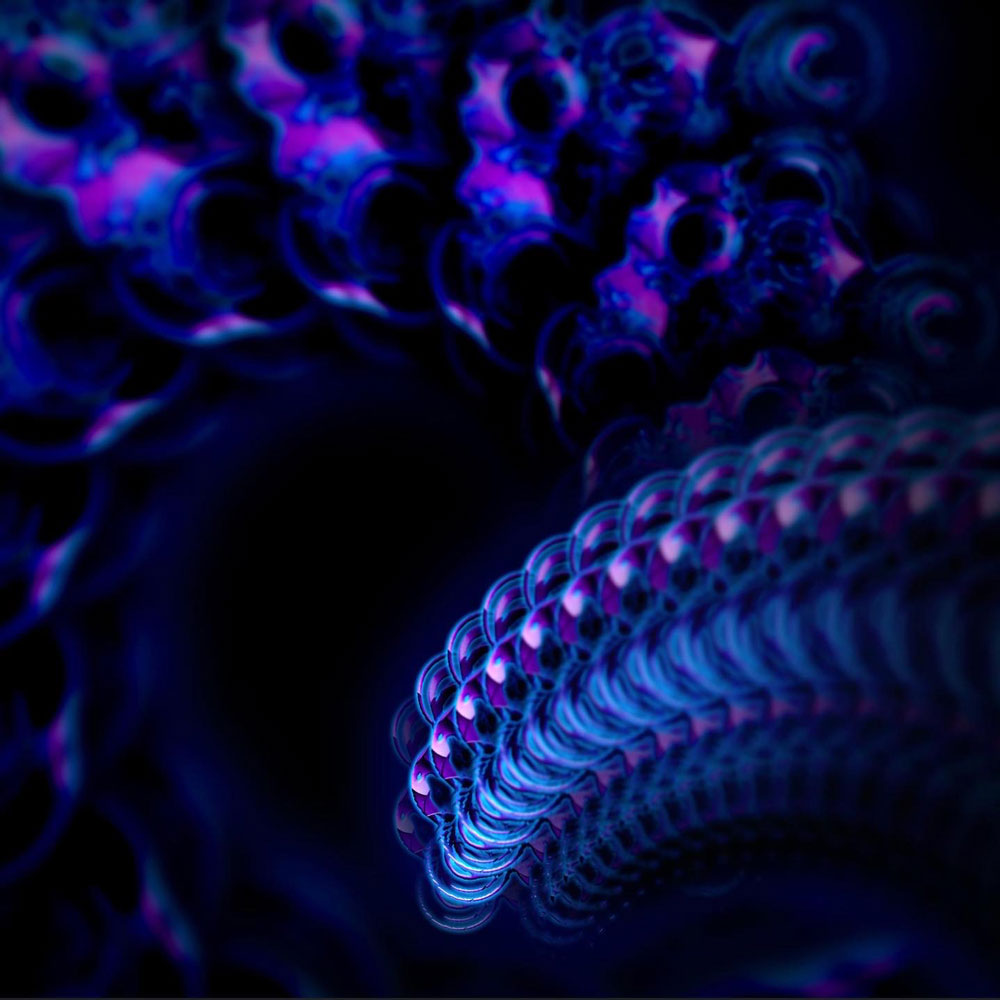
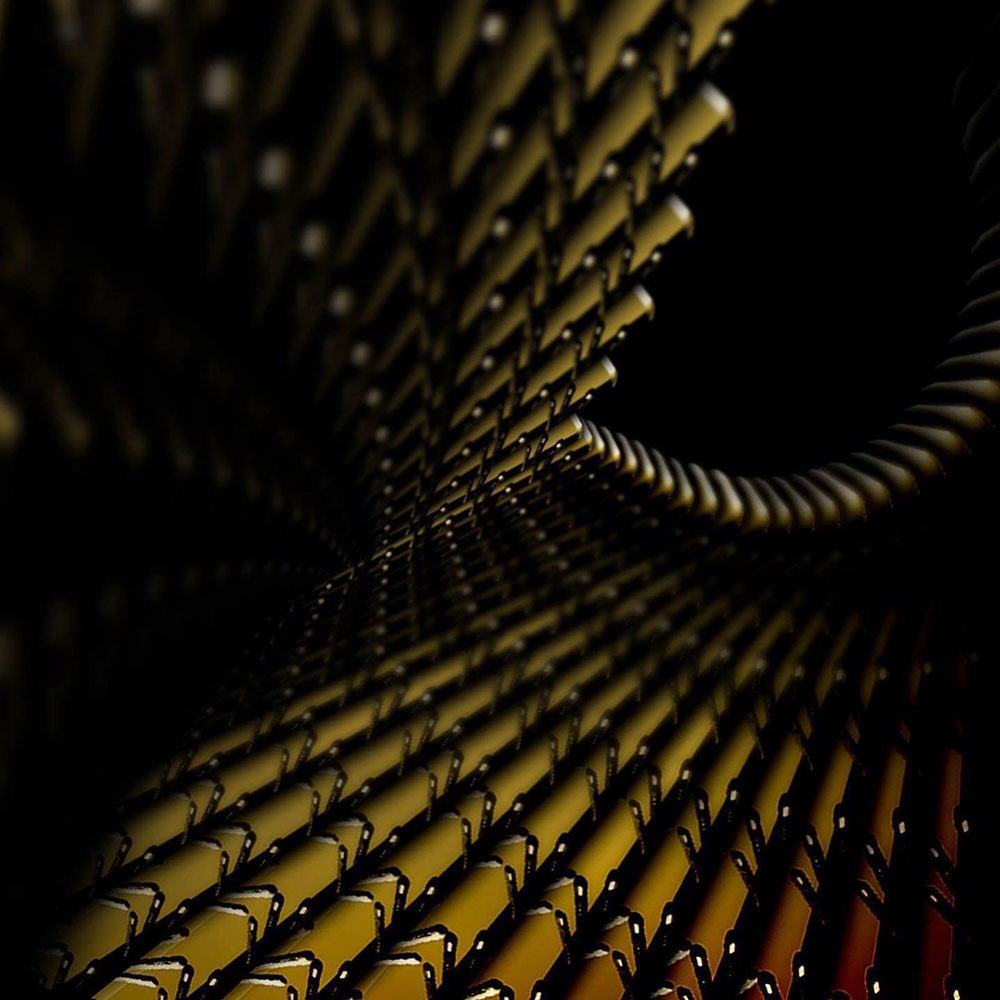
I’m obsessed with fractals, but not in the traditional Mandelbrot or Julia sense. I prefer Lyapunov fractals because they don’t follow a predictable pattern. That unpredictability resonates with me, and my work reflects it. My goal is to make people pause and ask themselves: What am I looking at?
No matter how my work is perceived, the aim is always the same: to provoke an emotion: confusion, wonder, disgust, joy, unease. It doesn’t matter which.
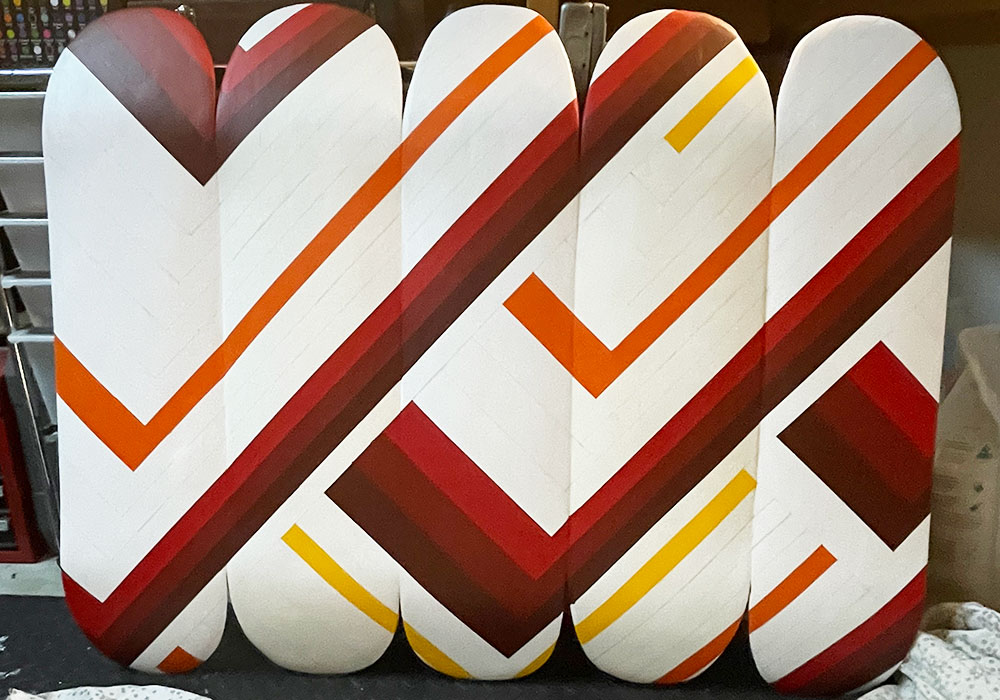
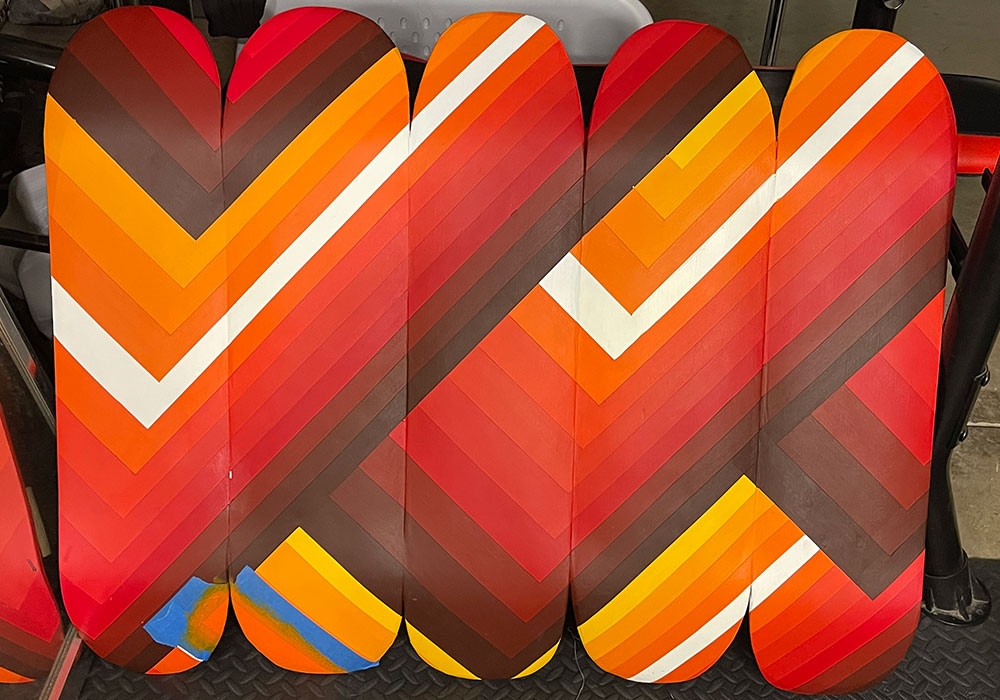
Acrylic on Wood
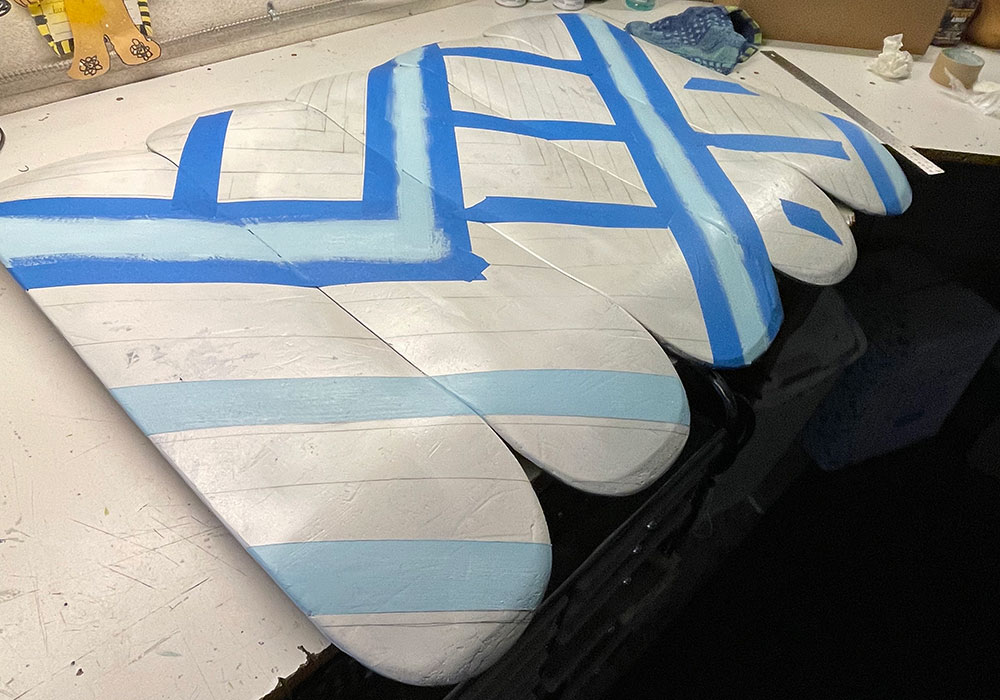
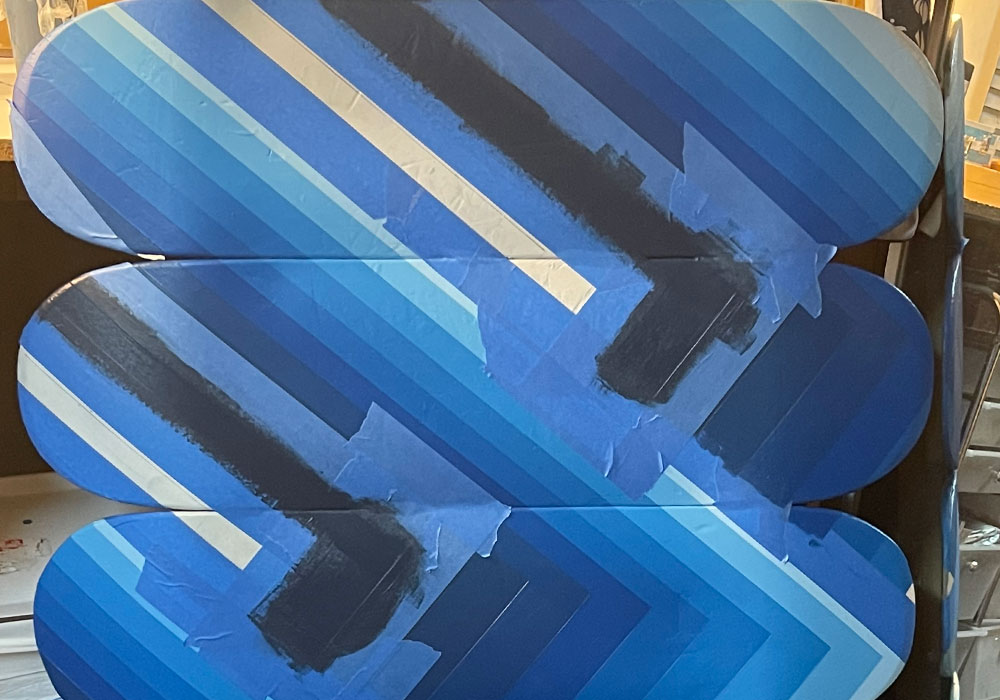
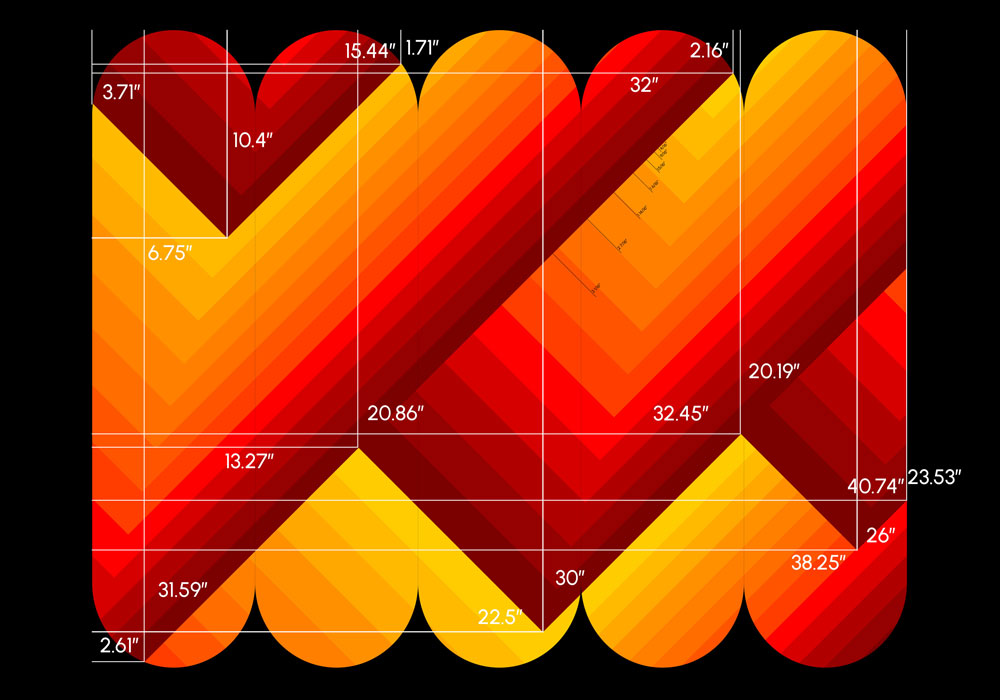
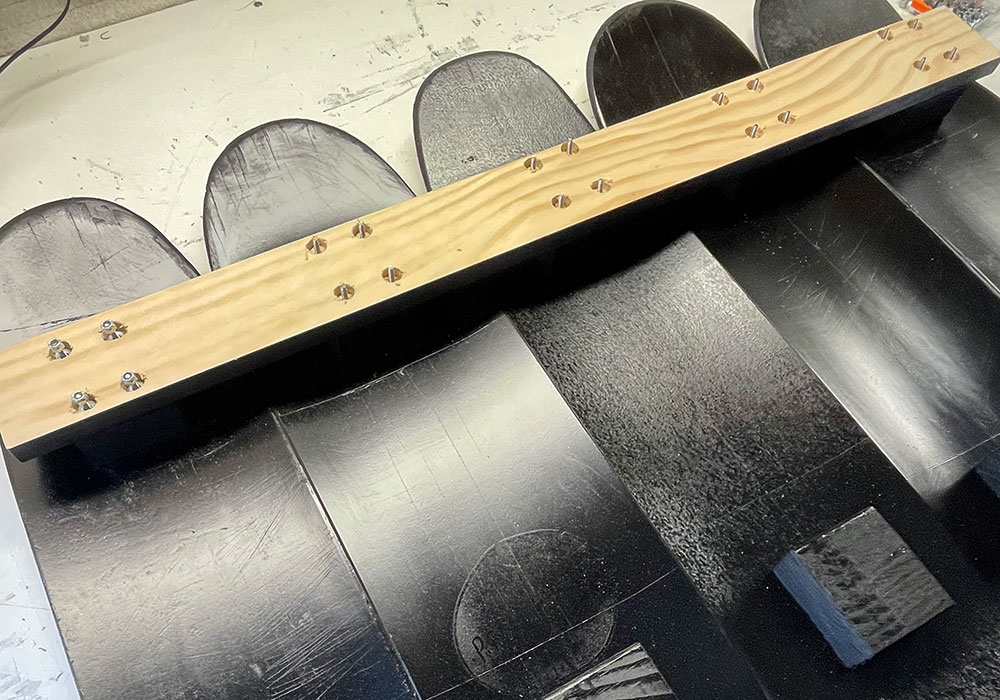
Rather than discard the skate decks my son deemed “thrashed,” I saw an opportunity to repurpose them into something meaningful. I bracketed them together, planed and sanded the surfaces, and added standoffs so they could mount flat on a wall. What was once trash became a new canvas. Presented below are the latest in a series of pieces.
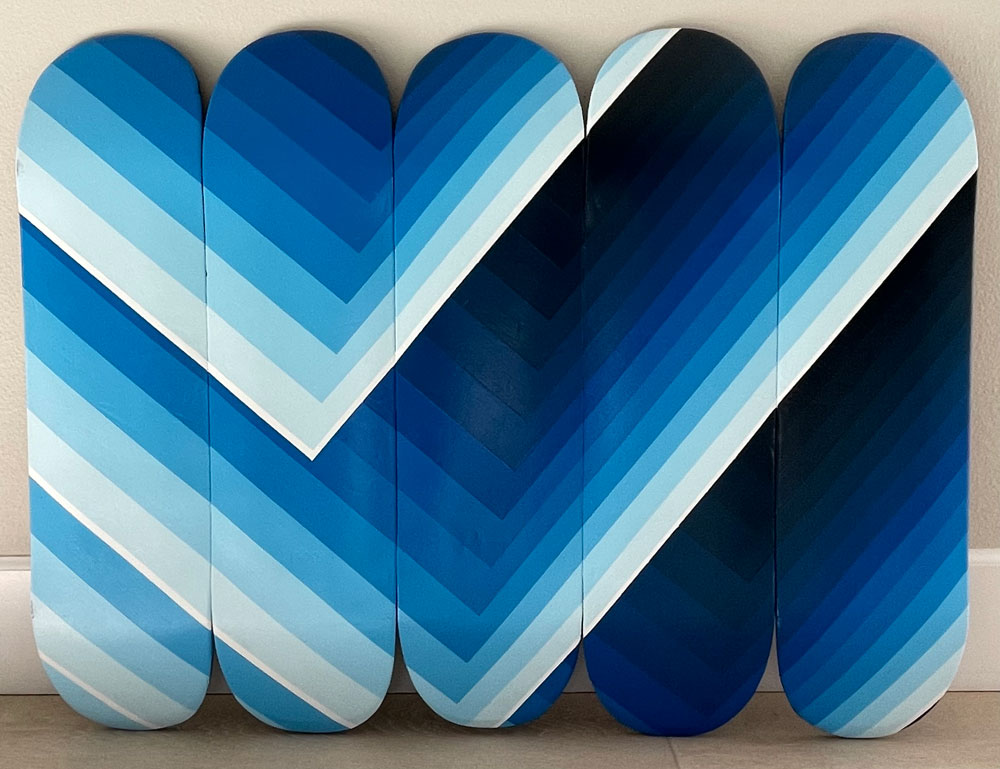
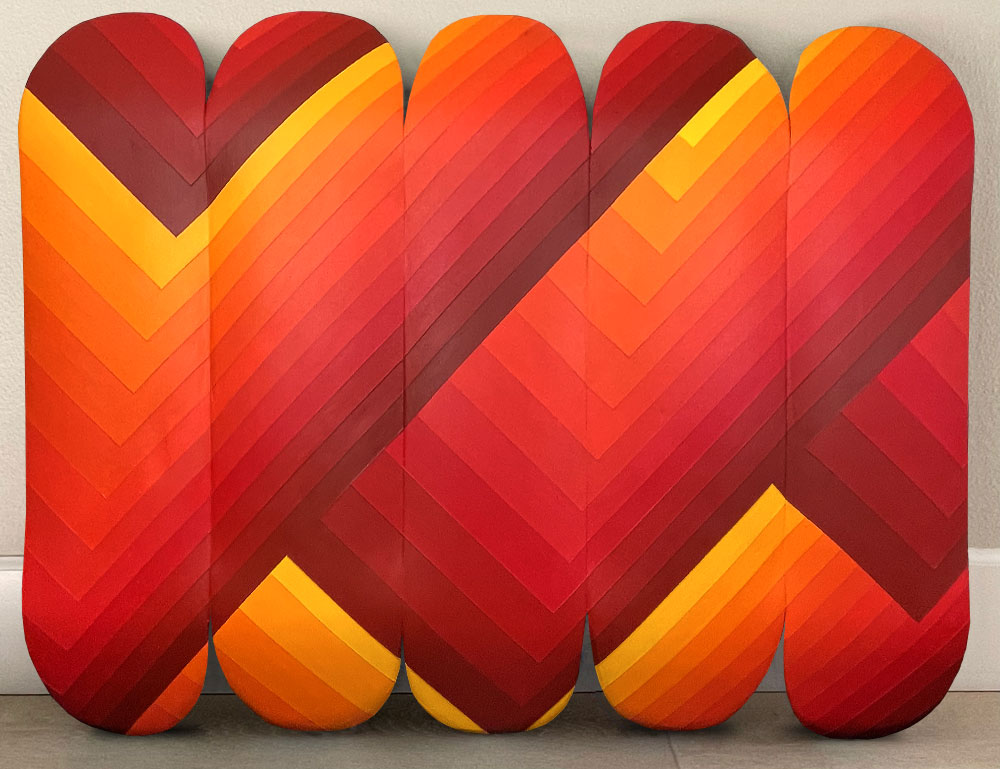
Process Steps
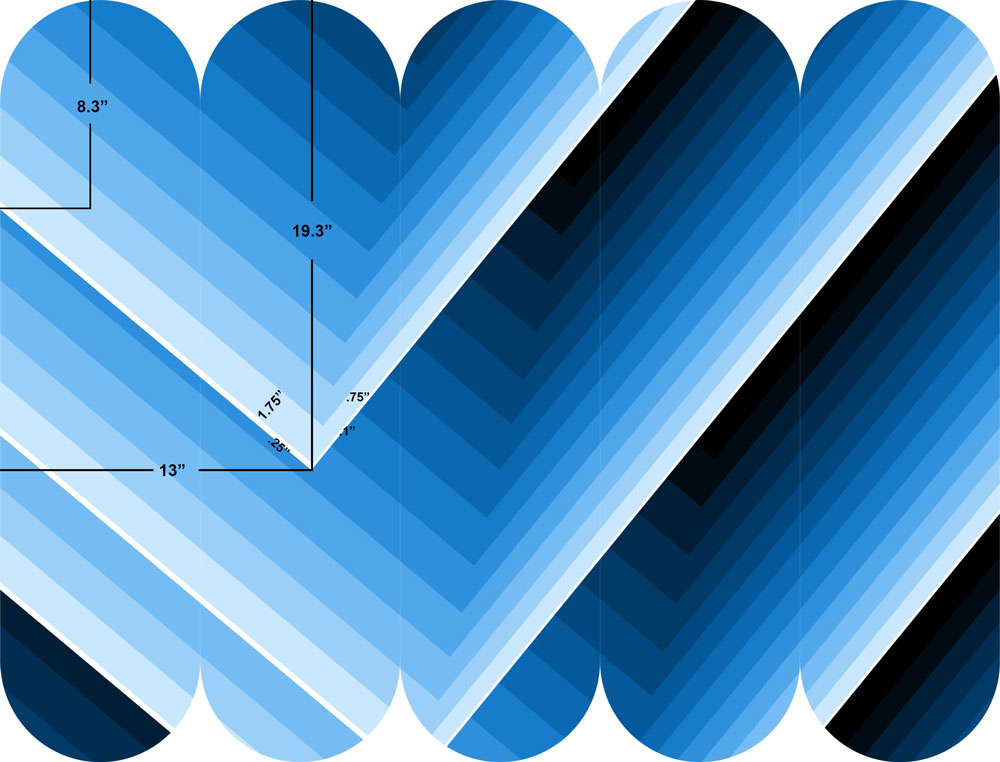
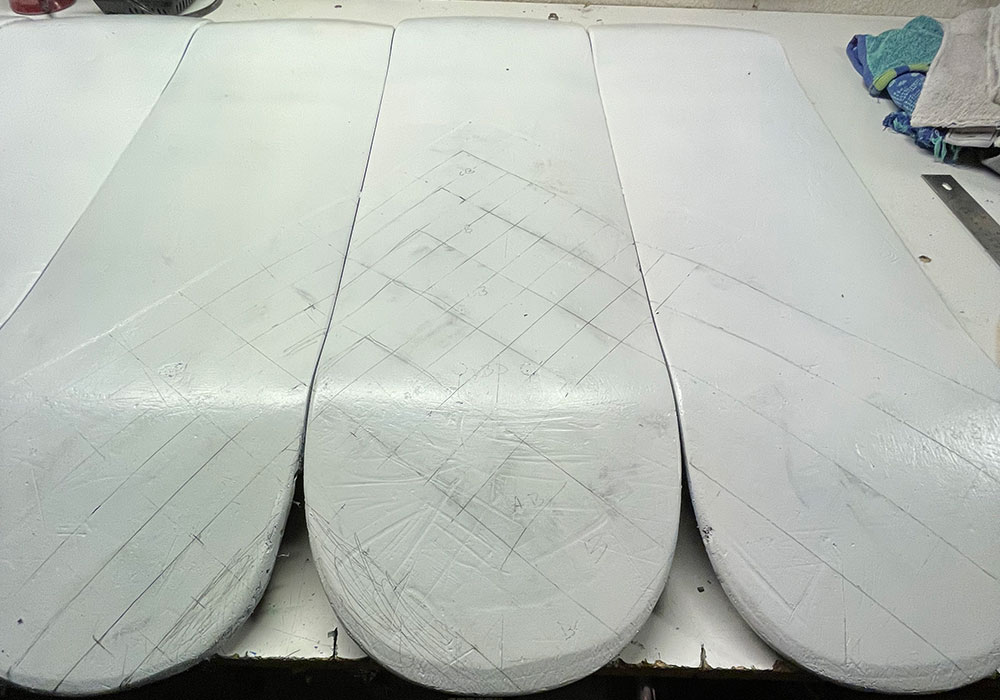
Case Study
Digital compositions
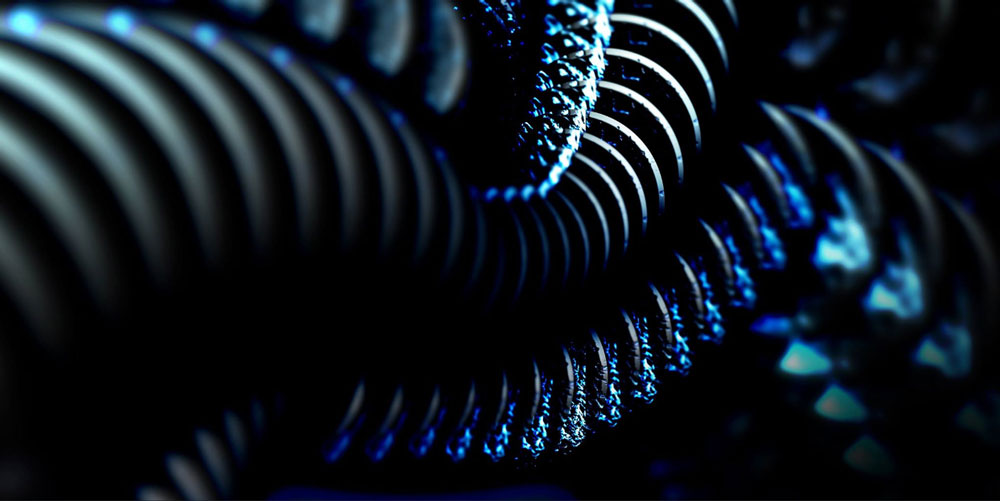
For reasons I can't fully define, fractals resonate with me, especially unconventional forms. Photoshop is my tool of choice for image manipulation, and I’ve developed techniques to generate self-similar, repeating patterns into full compositions.
One of the aspects I enjoy most about digital work is simulating depth of field. By creating a sense of spatial layering, I can make a 2D piece feel like a slice of something much larger.

Case Study
Quality Time: Mini Ramp
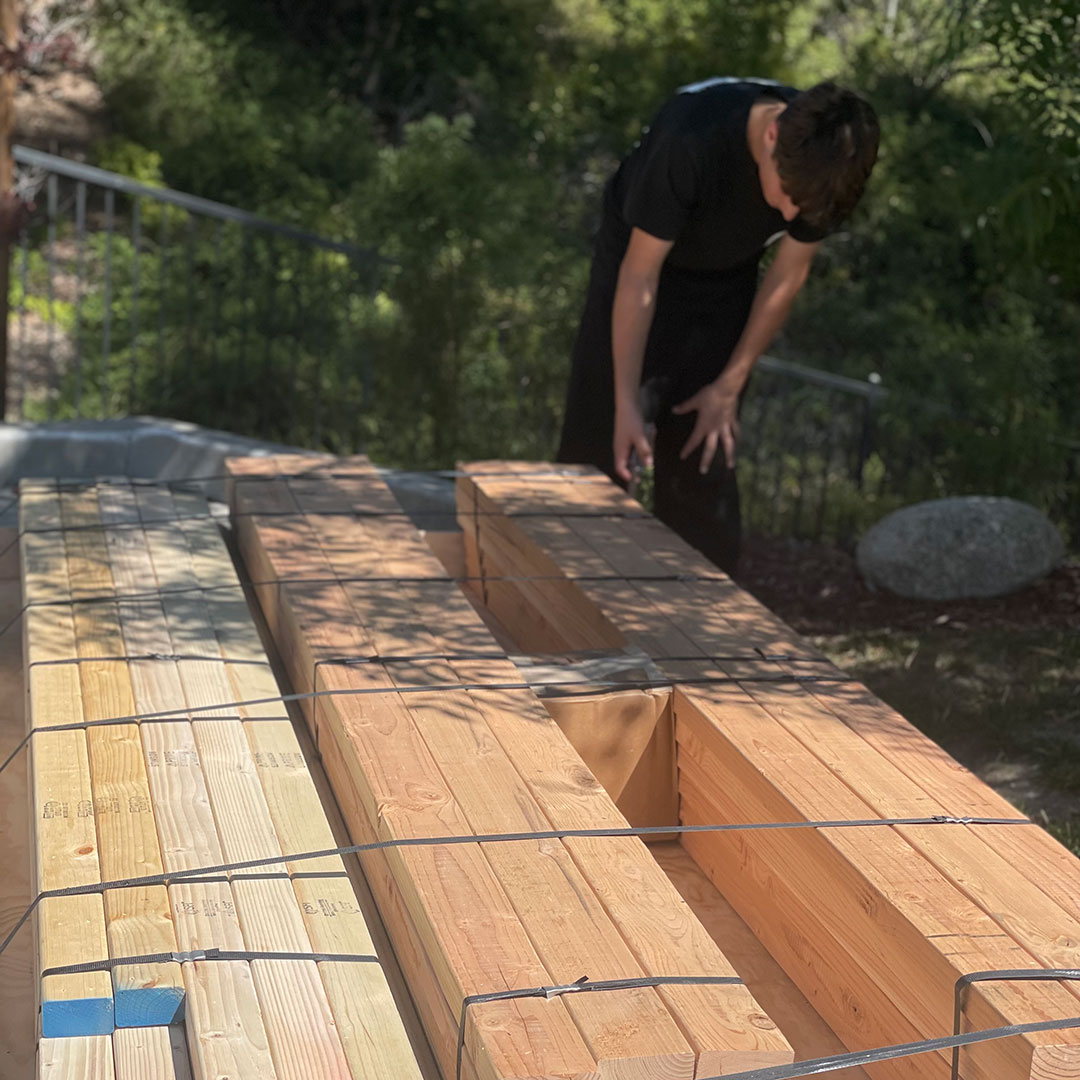
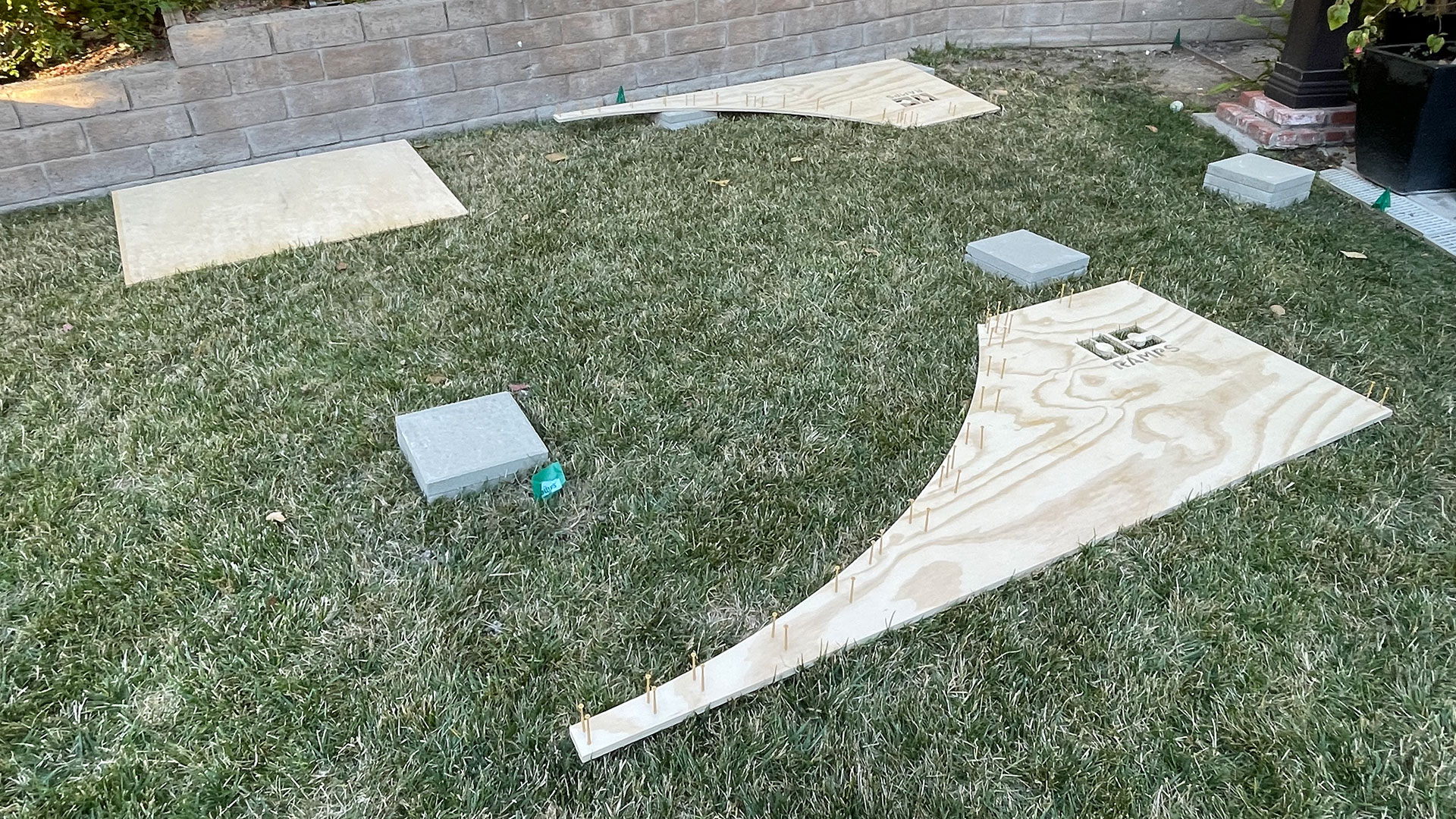
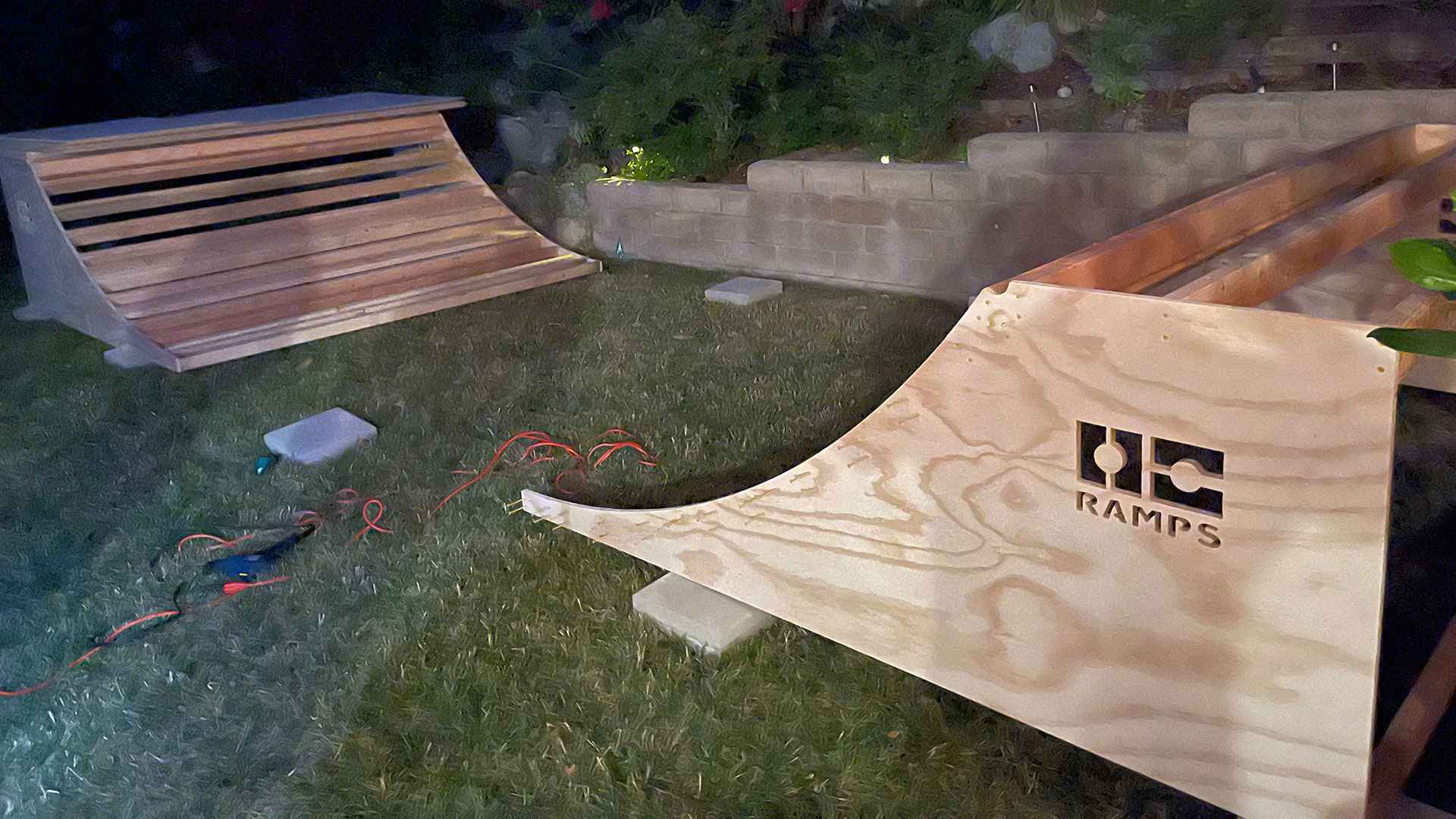
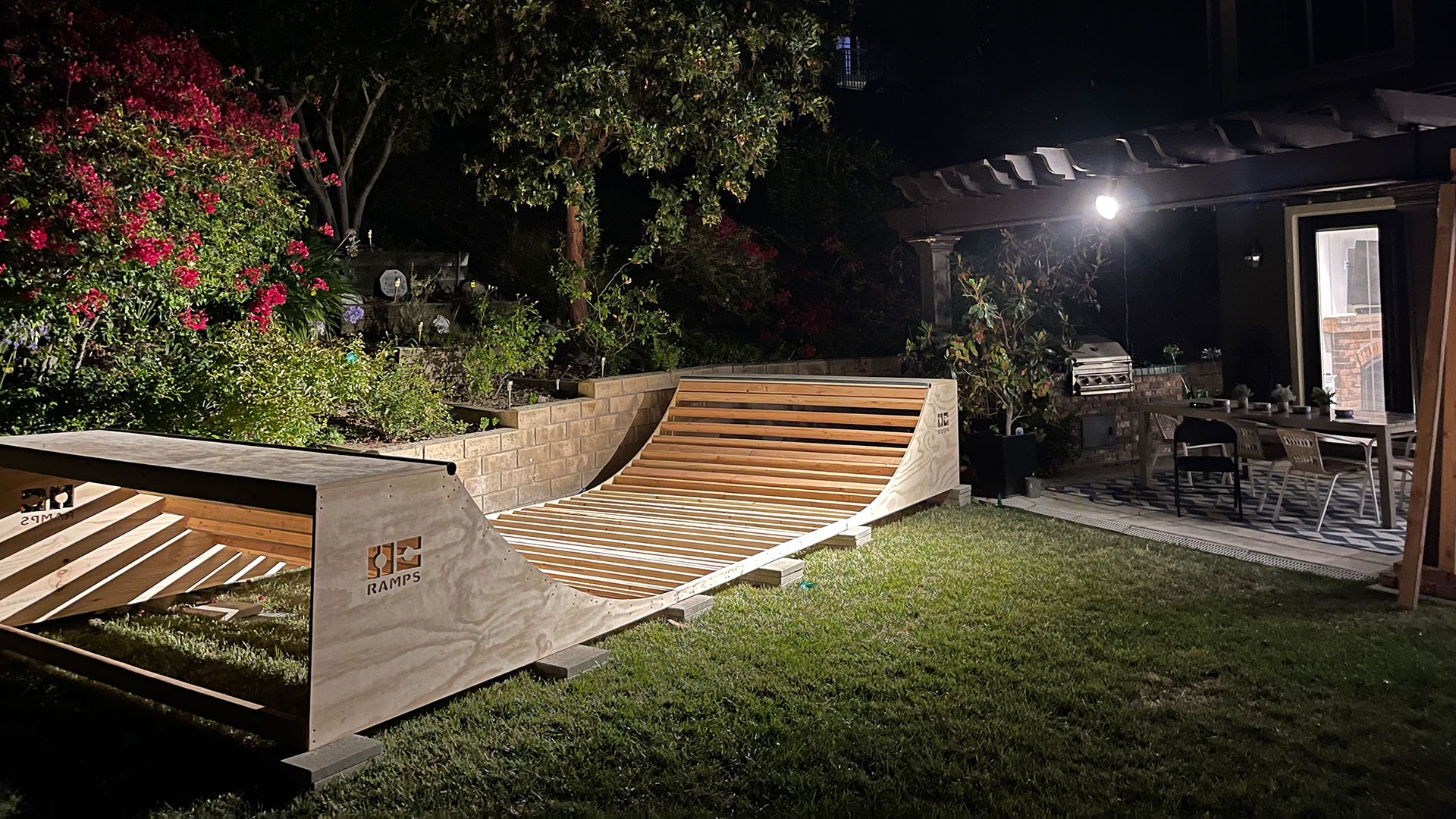
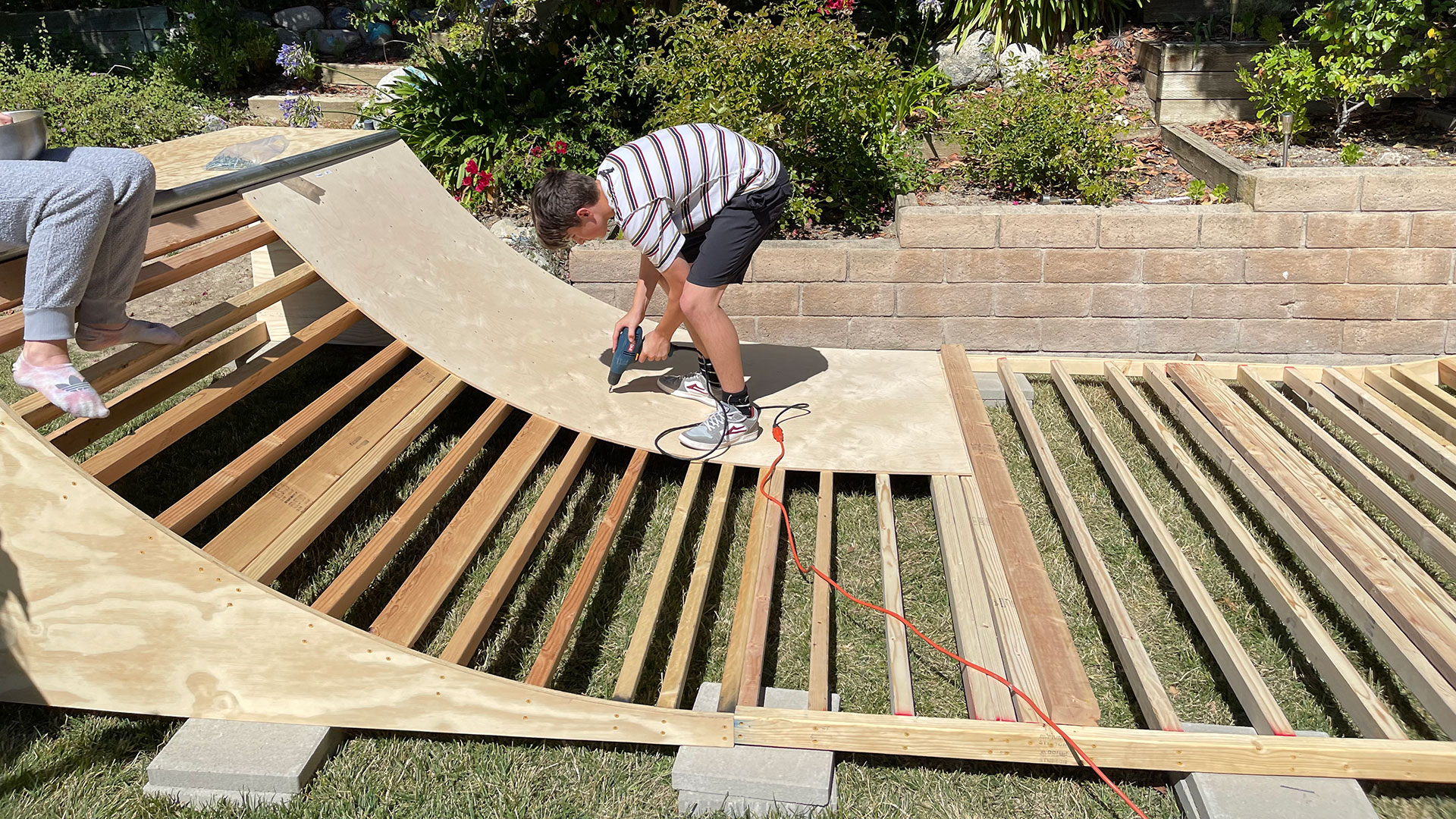
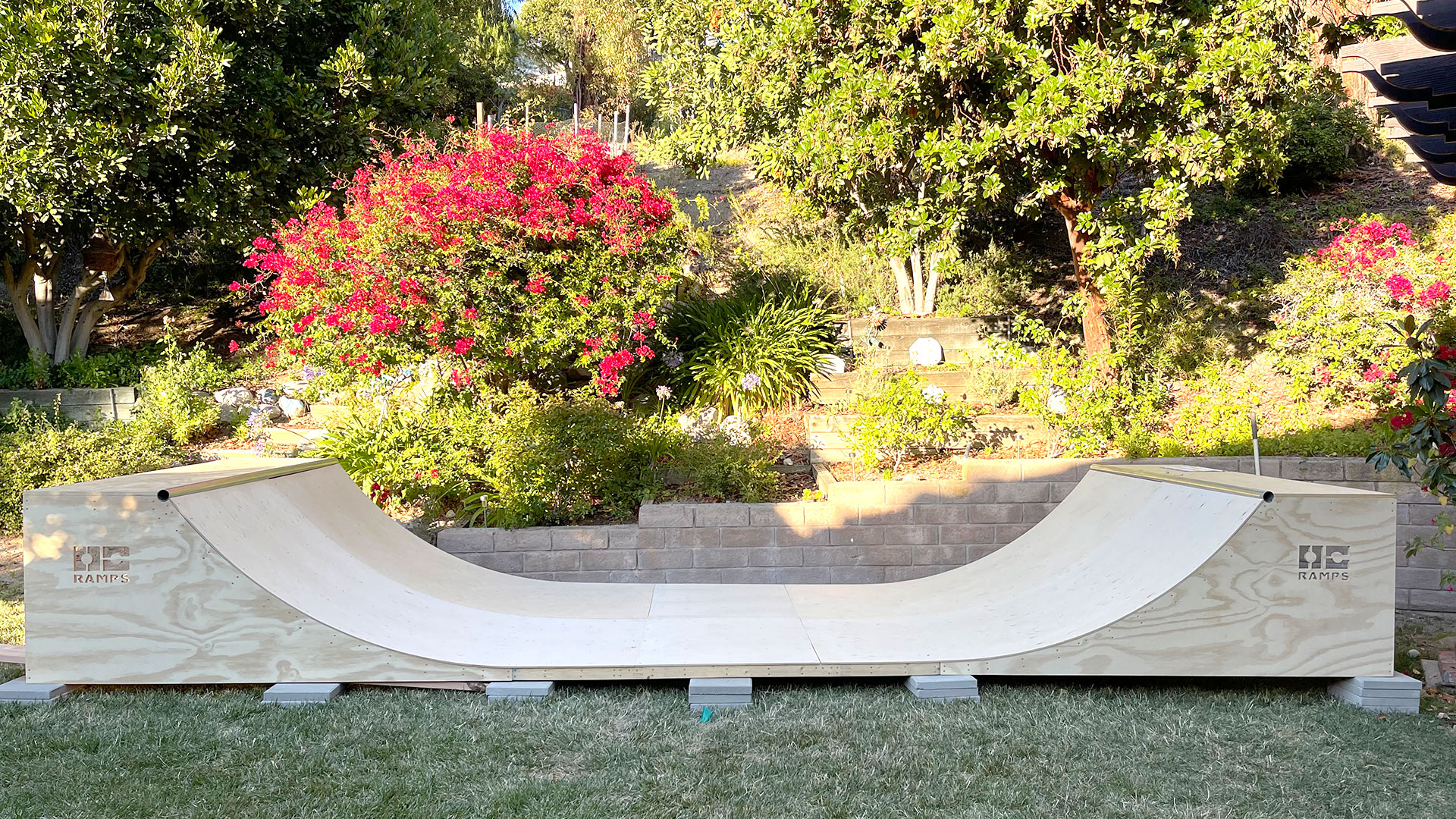
Art and design are passions, but so is spending time with my kids. During the summer of 2021, at the height of COVID, my son and I built a mini ramp in our backyard. With skateparks closed, he and his friends needed a place to skate, so we made one together.
Case Study
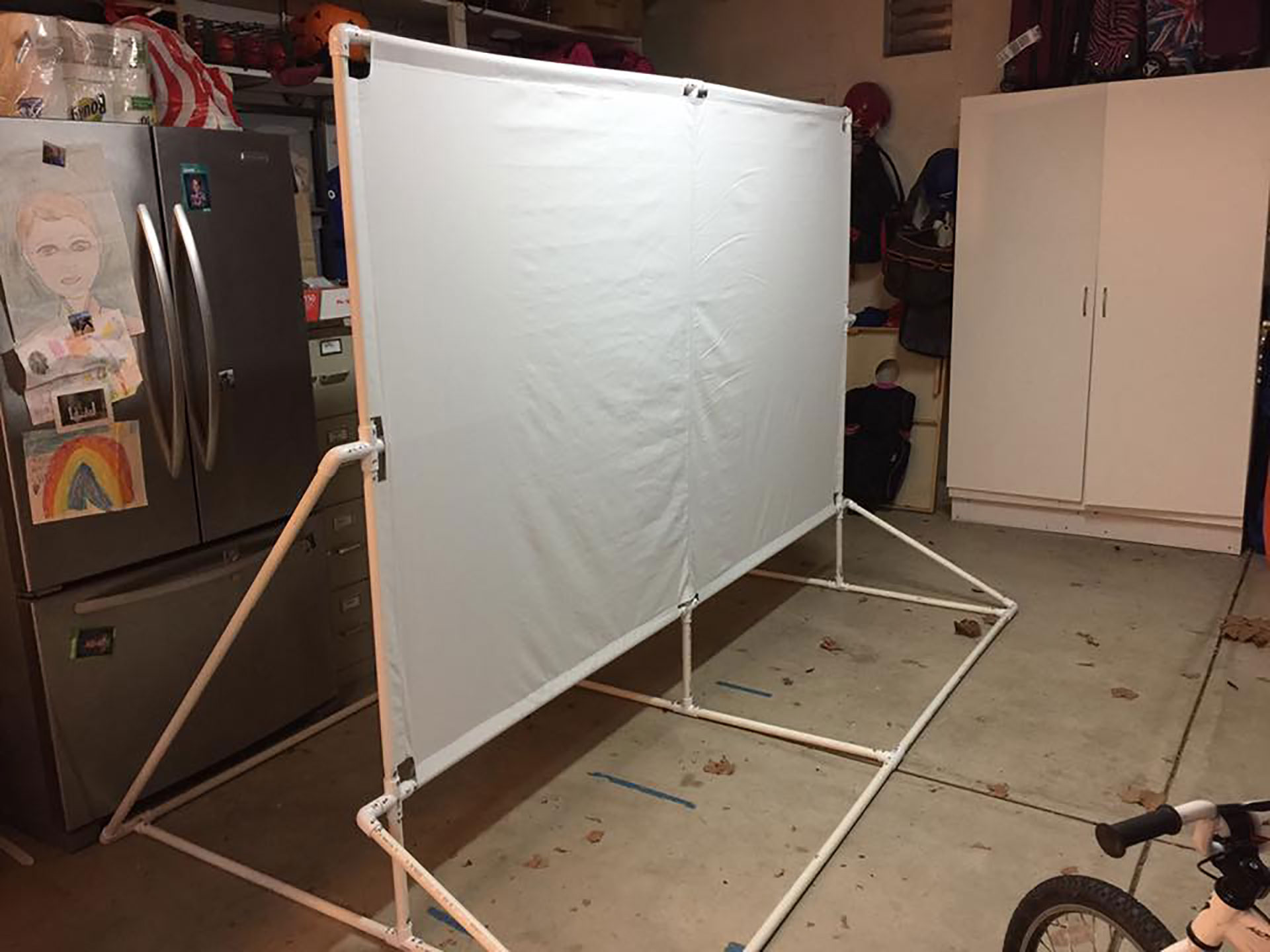
Practical Projects: Outdoor Movie Screen
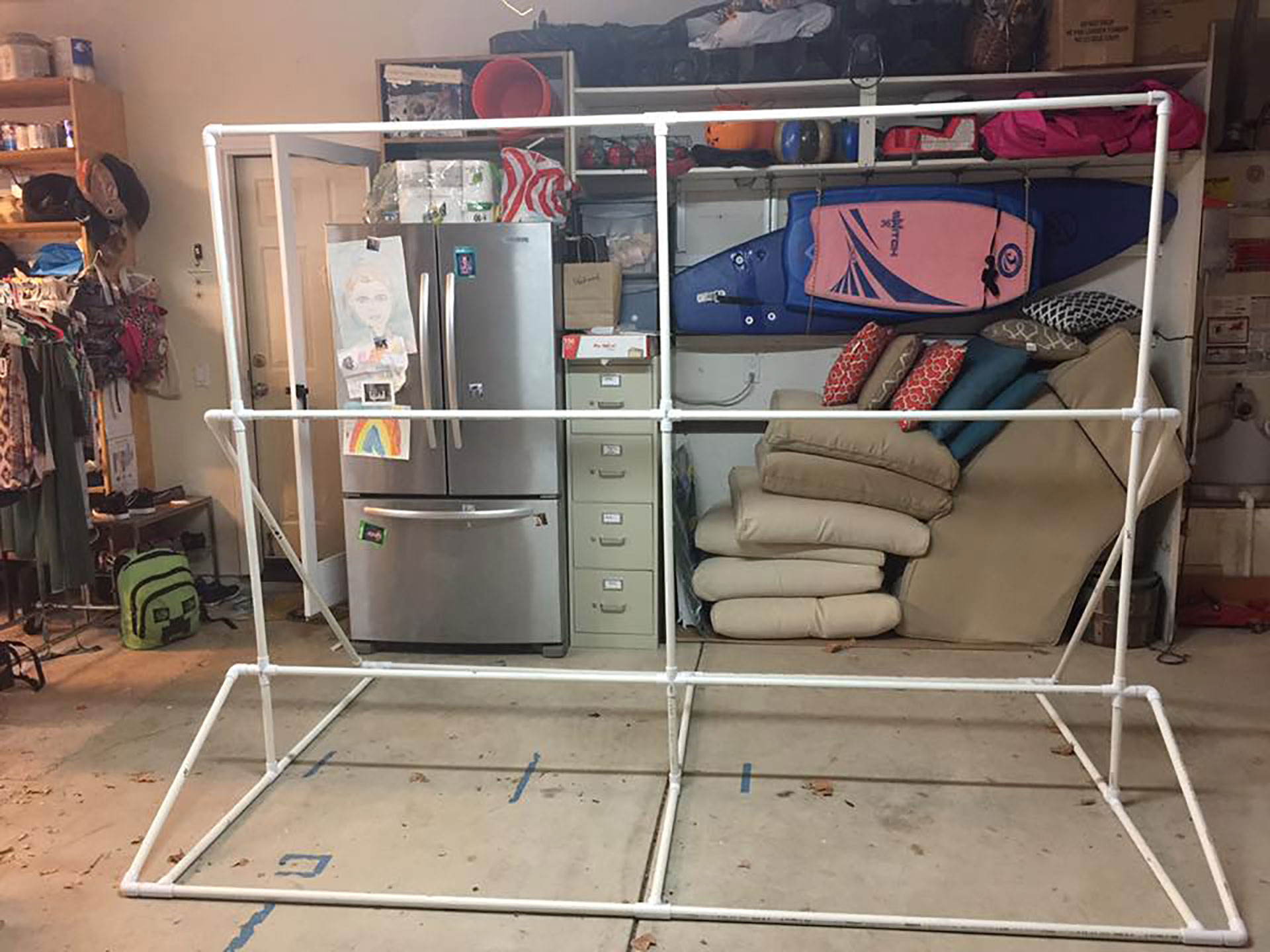
Rather than settle for a sheet or a small projection stand, I designed a wind-resistant outdoor movie screen that has lasted over a decade.
Case Study
Final Thoughts:
Whether I’m painting, designing digitally, or building practical projects, the goal is the same: to provoke a response and engage the senses. Some work is artistic, some practical, but all share a common thread: thoughtful execution and attention to detail.